BYD’s Price Revolution: How Aggressive Cuts Are Reshaping Australia’s EV Market
In a move that has sent shockwaves through the Australian automotive industry, Chinese electric vehicle (EV) giant BYD has launched an unprecedented price offensive. For the 2025 model year, the company has not only introduced radically affordable new models but has also implemented permanent, significant price reductions across its entire existing lineup. This strategic pivot is more than a seasonal promotion; it is a deliberate play to dominate market share and accelerate EV adoption by fundamentally resetting consumer price expectations.
The New Price Landscape: BYD’s Market Recalibration
BYD’s strategy is two-pronged: slash prices on popular models and introduce new entry points that shatter previous affordability barriers.
The most dramatic announcement is the BYD Atto 1, slated for arrival in December 2025. Starting at just $23,990 before on-road costs, it is poised to become Australia’s cheapest electric car by a significant margin. This city-focused hatchback, alongside its slightly larger sibling the Atto 2 (from $31,990), creates an entirely new “accessibility tier” for EVs, directly targeting buyers who previously considered electric technology out of reach.
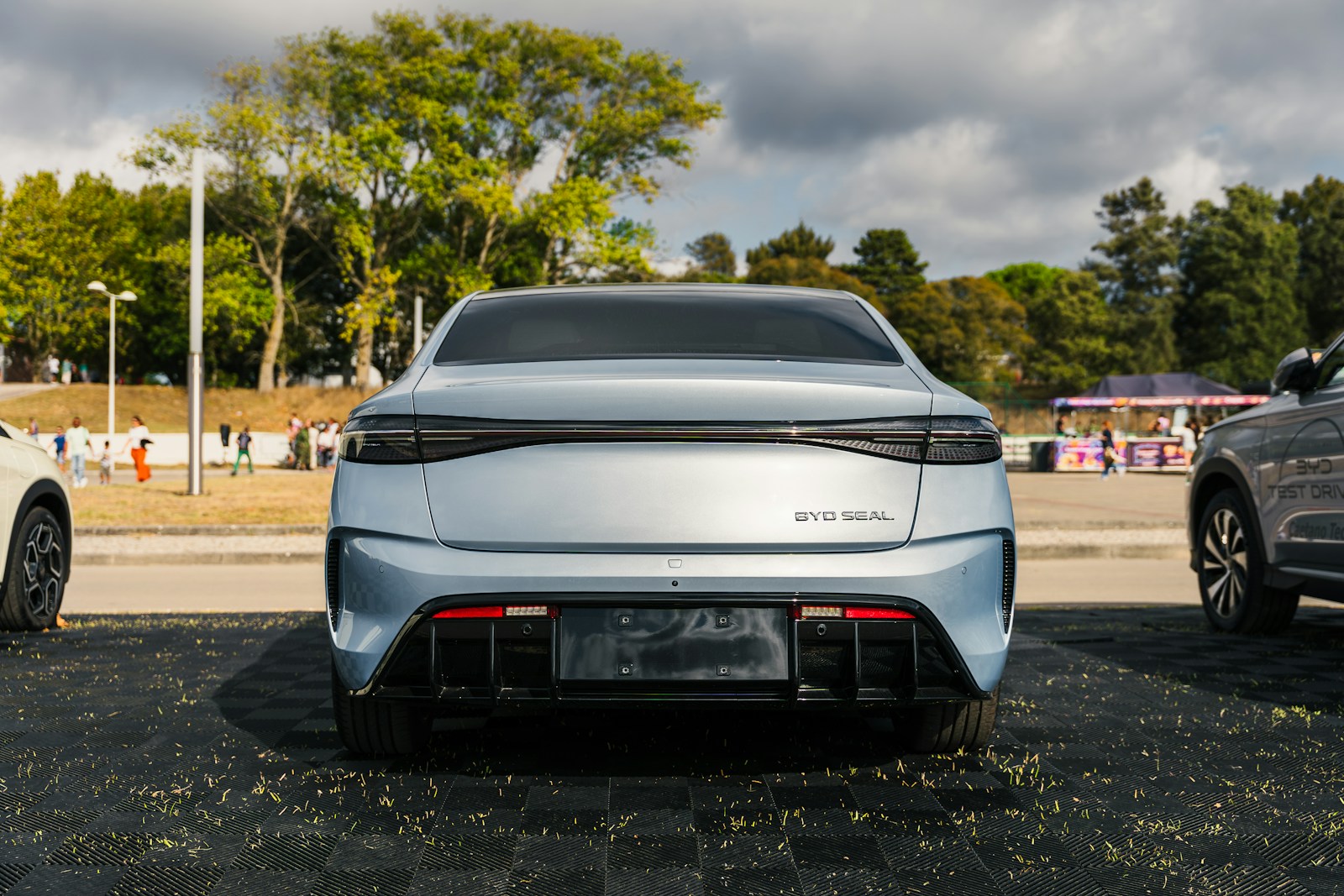
For existing models, the price cuts are substantial and permanent. The popular Dolphin now starts at $29,990 with its new ‘Essential’ grade, making it the first EV widely available below the $30,000 psychological threshold. The Atto 3 SUV, a perennial best-seller, sees its entry point drop to $39,990. Even the premium Seal sedan has seen cuts of nearly $4,000, with its Dynamic variant now starting at $46,990.
Table: BYD’s 2025 Model Year Price Strategy in Australia
| Model | New Entry Price (MY2025) | Previous Entry Price | Price Change | Key Notes |
|---|---|---|---|---|
| Atto 1 (New) | $23,990 | N/A | N/A | New budget champion; arrives Dec 2025 |
| Dolphin | $29,990 | ~$39,890 | ~$9,900 Reduction | New ‘Essential’ grade |
| Atto 2 (New) | $31,990 | N/A | N/A | Small electric SUV |
| Atto 3 | $39,990 | ~$48,011 | ~$8,021 Reduction | New ‘Essential’ grade replaces Std Range |
| Seal | $46,990 | ~$49,888 | ~$2,898 Reduction | Cuts across all variants |
The Strategy Behind the Cuts: Vertical Integration and Scale
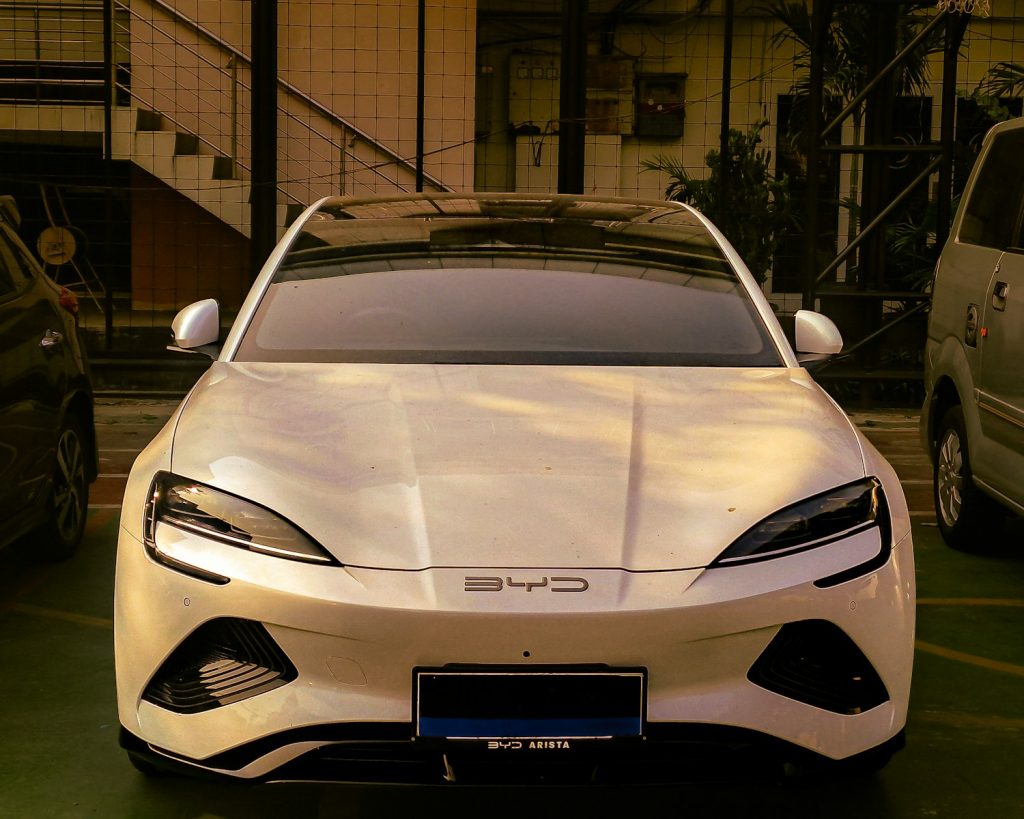
Industry analysts point to BYD’s unique vertically integrated structure as the key enabler of this aggressive pricing. Unlike most carmakers that rely on a network of suppliers, BYD manufactures its own batteries, semiconductors, and many other critical components in-house. This control over the supply chain insulates it from external price volatility and allows for relentless cost optimization.
“The scale BYD has achieved is phenomenal,” notes auto analyst Mike Costello. “They are not just selling cars; they are selling their own battery technology at a volume that allows for continuous cost reduction. These Australian price cuts are a direct reflection of that global scale and efficiency being passed on, in part, to gain dominant market position.”
The introduction of new ‘Essential’ grades for the Dolphin and Atto 3 is a tactical move to lower the advertised drive-away price. These variants achieve their lower cost by forgoing certain features like panoramic sunroofs, premium sound systems, or larger infotainment screens, allowing BYD to market a headline price that pulls customers into showrooms.
Impact on the Australian EV Market and Competitors
BYD’s moves have placed immense pressure on its rivals. Market leader Tesla, which has also engaged in periodic price adjustments, now faces a competitor undercutting its Model 3 by over $20,000 with the Atto 1 and Seal. Mainstream brands like MG, Hyundai, and Kia, which have competitive EVs in the $40,000-$60,000 range, now find BYD’s offerings priced substantially lower for comparable size and range.
“This redefines the value proposition,” says Jessica Darnbrough, a spokesperson for a large automotive retail group. “Consumers walking into a showroom today are comparing specs and suddenly realizing they can get a capable EV for the price of a mid-spec petrol-powered hatchback. It forces every other brand to re-evaluate their pricing and feature strategy.”
The ripple effects extend beyond new cars. The rapid depreciation of previous model-year BYDs, coupled with the new low entry points, is applying downward pressure on the entire second-hand EV market, making electric cars more accessible to a broader segment of used car buyers.
Consumer Considerations: Value vs. Specification
For the Australian consumer, this price war is unambiguously positive, offering more choice at lower prices. However, it necessitates careful consideration.
The new ultra-affordable models, like the Atto 1, come with smaller battery packs (a 30 kWh battery offering ~220 km WLTP range). This makes them ideal for city commuting and as second household cars, but less suited for frequent long-distance travel without planning for charging stops. The ‘Essential’ variants of other models trade premium features for cost savings.
Prospective buyers must also factor in on-road costs, which typically add $3,500 to $5,000 to the manufacturer’s list price, depending on the state. Furthermore, state-based EV incentives—such as stamp duty exemptions or rebates in New South Wales, Victoria, and Queensland—can significantly reduce the final drive-away cost, enhancing the value further.
The Road Ahead: Sustainable Dominance or Short-Term Play?
The critical question for the industry is whether BYD’s pricing strategy is sustainable. The company appears confident, leveraging its integrated manufacturing and enormous global production capacity to maintain profitability even at lower price points. Their goal is clear: to become the default choice for first-time EV buyers in Australia, building brand loyalty from the ground up.
This aggressive stance is set to accelerate the EV transition in Australia. By bringing purchase prices in line with—or even below—equivalent internal combustion engine vehicles, BYD is removing the single largest barrier to adoption for many Australians: upfront cost.
As the Atto 1 and Atto 2 arrive in showrooms in the coming months, the true impact of this new pricing era will be measured in sales figures. One thing is certain: the landscape of affordable electric motoring in Australia has been permanently and dramatically altered. The race for EV dominance is no longer just about technology and range; it is now, decisively, a race about price.